
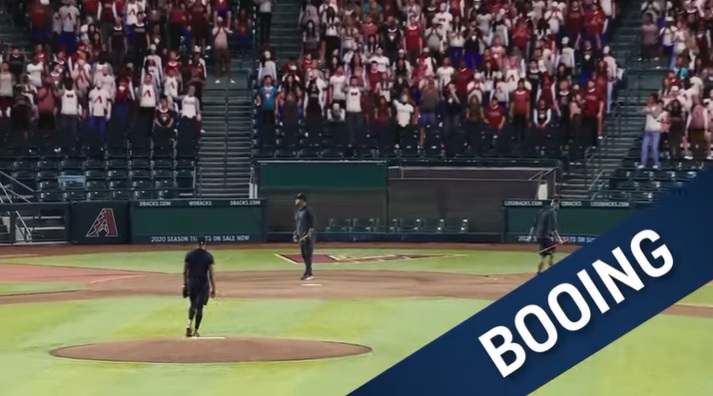
Fox Sports Fills Empty Stadium Stands with Virtual Spectators: A New Era of Sports Broadcasting
As professional sports leagues around the world cautiously return to action amid ongoing pandemic restrictions, broadcasters are facing an unprecedented challenge: how to create an engaging viewing experience when stadiums sit eerily empty. Fox Sports has unveiled its innovative solution to this problem, deploying cutting-edge technology to populate stadium stands with virtual spectators, effectively masking the visual reminder of quarantine measures that have kept real fans away from live sporting events.
The technology, which utilizes advanced augmented reality and computer-generated imagery, seamlessly overlays digital crowds onto the empty seating sections visible during television broadcasts. These virtual fans are designed to react realistically to the action on the field, creating an atmosphere that more closely resembles the pre-pandemic viewing experience that audiences have come to expect. The system can simulate thousands of individual spectators, each with distinct appearances and movements, making the illusion remarkably convincing for viewers watching from home.
This technological innovation represents a significant investment by Fox Sports in maintaining viewer engagement during an exceptionally difficult period for the sports broadcasting industry. The absence of crowd noise and visual energy has been one of the most jarring aspects of pandemic-era sports, with many fans reporting that games feel less exciting and emotionally engaging without the presence of passionate supporters in the stands. By addressing both the visual and audio components of the fan experience, broadcasters hope to preserve the emotional intensity that makes live sports compelling entertainment.
The concept of artificial crowd enhancement is not entirely new to sports broadcasting. For years, networks have experimented with enhanced audio mixing and strategic camera angles to amplify the atmosphere of sporting events. However, the current situation has accelerated the development and deployment of far more sophisticated solutions. Other broadcasters around the world have implemented similar technologies, with leagues in Europe and Asia also experimenting with virtual crowd systems during the pandemic period.
Critics of the virtual crowd technology have raised questions about authenticity and the potential for such tools to be misused in future broadcasts. Some purists argue that the empty stadiums serve as an important visual reminder of the sacrifices being made to continue athletic competition safely, and that masking this reality does a disservice to the broader context in which these games are being played. Others worry that the normalization of digitally altered broadcasts could open the door to other forms of manipulation in sports coverage.
Supporters of the technology, however, point to the psychological benefits for both viewers and athletes. Players competing in empty stadiums have frequently commented on the difficulty of maintaining energy and motivation without crowd feedback. The addition of realistic crowd visuals and sounds, even if artificial, may help athletes perform at higher levels by recreating some semblance of the competitive atmosphere they trained for years to experience. For viewers, the virtual crowds serve as a form of escapism, allowing them to momentarily forget the ongoing health crisis and simply enjoy the sport they love.
As vaccination efforts continue globally and restrictions gradually ease, the question of whether virtual crowd technology will remain a permanent fixture in sports broadcasting remains open. Some industry analysts suggest that elements of this technology could be integrated into future broadcasts even when full crowds return, potentially offering new opportunities for advertising, enhanced viewer experiences, or creative presentation options. For now, Fox Sports and other broadcasters are focused on navigating the current landscape, using every tool at their disposal to keep audiences engaged and connected to the sports they love during these unprecedented times.