
Samsung Acknowledges Display Issues on Galaxy S26 Ultra, Prepares Software Fix
Samsung Electronics has officially confirmed that its flagship Galaxy S26 Ultra smartphone is experiencing display-related problems that have frustrated users since the device’s recent launch. The South Korean tech giant acknowledged the issue after numerous complaints surfaced on social media platforms and tech forums, with customers reporting unusual visual artifacts and color inconsistencies on their premium devices. The company has announced that a software update addressing these concerns is currently in development and will be released in the coming weeks.
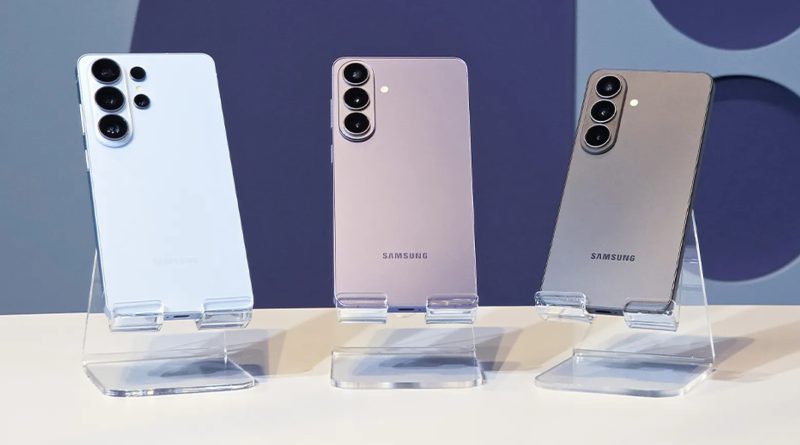
The display problems reportedly manifest as a subtle but noticeable flickering effect, particularly visible when viewing content with gray backgrounds or during low-brightness scenarios. Users have described seeing uneven color distribution across the screen, with some areas appearing slightly warmer or cooler than others. These issues have been especially concerning given that the Galaxy S26 Ultra carries a premium price tag and is marketed as featuring one of the most advanced smartphone displays on the market. Adding to the credibility of these reports, similar problems have been observed on demonstration units displayed in retail stores, suggesting the issue is widespread rather than limited to isolated defective units.
The Galaxy S26 Ultra features Samsung’s latest Dynamic AMOLED 2X panel technology, which the company has consistently promoted as offering superior brightness, color accuracy, and energy efficiency compared to competitors. AMOLED displays work by using organic compounds that emit light when electrical current passes through them, eliminating the need for backlighting and enabling deeper blacks and higher contrast ratios. However, this technology can sometimes be susceptible to calibration issues and panel uniformity problems, particularly in early production batches when manufacturing processes are still being refined.
Display experts suggest that the reported issues are likely related to software calibration rather than fundamental hardware defects. Modern smartphone displays rely heavily on sophisticated algorithms to manage color reproduction, brightness levels, and refresh rates across different usage scenarios. When these software parameters are not perfectly tuned, users may experience visual inconsistencies that can be corrected through firmware updates. This appears to be the approach Samsung is taking, as the company has specifically stated that a software fix is being prepared rather than initiating a hardware recall or replacement program.
Samsung has a mixed history when it comes to addressing display-related concerns in its flagship devices. The company faced significant criticism in 2019 when early Galaxy Fold units exhibited screen failures, leading to a delayed launch and extensive redesign efforts. More recently, the Galaxy S20 series experienced green tint issues that were successfully resolved through software updates. These past experiences have likely informed Samsung’s current response strategy, with the company choosing to acknowledge the problem quickly and communicate openly about the planned fix rather than remaining silent or dismissing user concerns.
Industry analysts note that display issues can significantly impact consumer confidence in premium smartphone brands, particularly when devices command prices exceeding one thousand dollars. The smartphone market has become increasingly competitive, with Chinese manufacturers like Xiaomi, Oppo, and Vivo offering devices with comparable specifications at lower price points. Apple’s iPhone continues to dominate the premium segment in Western markets, making it essential for Samsung to maintain its reputation for quality and reliability. Any perception that Galaxy devices suffer from quality control issues could potentially drive customers toward competing products.
Samsung has not provided a specific timeline for the software update but has assured customers that the fix is being prioritized by its development team. Users experiencing display issues are encouraged to ensure their devices are running the latest available software version and to contact Samsung customer support if problems persist after the update is released. The company has also reportedly instructed retail partners to update demonstration units once the fix becomes available, addressing concerns about the poor impression these display problems might create for potential customers evaluating the device in stores.
The situation highlights the challenges smartphone manufacturers face when pushing the boundaries of display technology while maintaining consistent quality across millions of production units. As screens become more advanced, incorporating features like higher refresh rates, improved HDR capabilities, and under-display cameras, the complexity of calibration and quality control increases correspondingly. Samsung’s commitment to resolving this issue through software demonstrates both the flexibility of modern smartphone architecture and the company’s recognition that customer satisfaction must remain paramount, even when addressing problems that emerge after a product has already reached the market.