
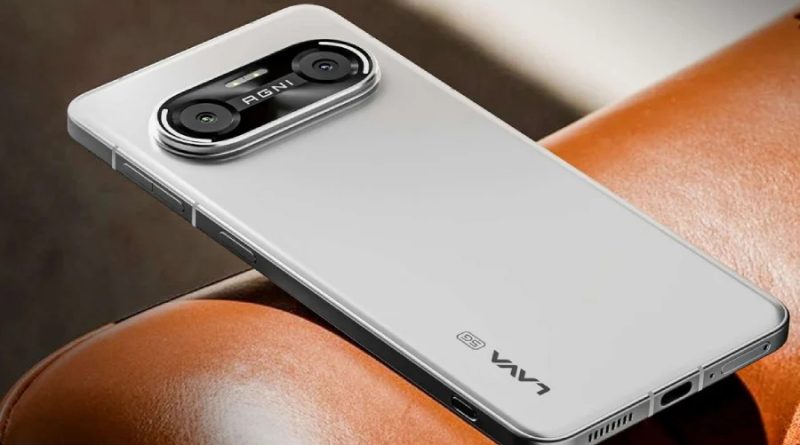
Lava Makes Bold European Debut with Provocative Samsung-Mocking Ad Campaign
Indian smartphone manufacturer Lava International has announced its ambitious expansion into the European market, marking a significant milestone for the company that has primarily dominated the budget smartphone segment in South Asia. The move comes shortly after the successful launch of two new devices in India – the flagship Agni 4 and the budget-friendly Yuva Star 3 – signaling the company’s readiness to compete on a global stage against established industry giants.
What has captured particular attention in the tech community is Lava’s unconventional marketing approach for its European debut. The company has launched an aggressive advertising campaign that directly takes aim at Samsung, one of the world’s largest smartphone manufacturers. The provocative advertisements mock the South Korean giant, a bold strategy that demonstrates Lava’s confidence in its products and its willingness to challenge the status quo in an already saturated market.
Founded in 2009 and headquartered in Noida, India, Lava International has built its reputation by offering affordable smartphones with competitive specifications tailored to price-conscious consumers. The company has been a significant player in India’s feature phone and entry-level smartphone segments, competing alongside other domestic brands like Micromax and Karbonn. However, the European expansion represents a dramatic shift in strategy, as the company now seeks to establish itself in markets traditionally dominated by Apple, Samsung, Xiaomi, and other global players.
The timing of Lava’s European entry is particularly strategic. The continent’s smartphone market has been experiencing shifts in consumer preferences, with many buyers increasingly open to alternatives that offer good value for money. Rising inflation and economic uncertainties have made price-conscious purchasing decisions more common, potentially creating an opening for budget-friendly brands that can deliver quality devices at lower price points. Additionally, geopolitical tensions and concerns about data privacy have led some European consumers to explore options beyond Chinese manufacturers, which could benefit Indian brands like Lava.
The Agni 4, Lava’s recently launched flagship device in India, showcases the company’s technological ambitions. While specific European pricing and availability details remain to be confirmed, the device represents Lava’s push into the mid-range and upper-mid-range segments where profit margins are typically higher. This evolution from purely budget devices suggests the company is serious about building a sustainable presence in competitive international markets. The Yuva Star 3, meanwhile, continues Lava’s tradition of offering feature-rich smartphones at accessible price points, likely to appeal to first-time smartphone buyers and budget-conscious consumers across Europe.
Industry analysts view Lava’s Samsung-targeting campaign as a calculated risk that could either pay significant dividends or backfire spectacularly. Comparative advertising, while common in Western markets, requires careful execution to avoid appearing desperate or unprofessional. However, when done effectively, such campaigns can quickly establish brand awareness and position a newcomer as a credible alternative to established players. Samsung, with its massive marketing budget and brand recognition, presents both an obvious target and a formidable competitor that could respond with its own counter-campaigns.
The Indian smartphone industry’s global expansion reflects broader trends in the country’s technology sector. With a robust domestic market serving as a testing ground and manufacturing base, Indian companies have developed expertise in creating devices that balance performance with affordability. Government initiatives like “Make in India” have further strengthened domestic manufacturing capabilities, enabling companies like Lava to potentially compete on both price and quality in international markets. The European venture could serve as a template for expansion into other regions if successful.
As Lava prepares to navigate the complex European regulatory environment, including strict data protection laws under GDPR and various consumer protection standards, the company faces a steep learning curve. Success will depend not only on competitive pricing and provocative marketing but also on establishing reliable distribution networks, after-sales service infrastructure, and building long-term consumer trust. The coming months will reveal whether this bold Indian challenger can carve out meaningful market share in one of the world’s most competitive smartphone markets, or whether the European ambitions will prove premature for a brand still establishing its international identity.