
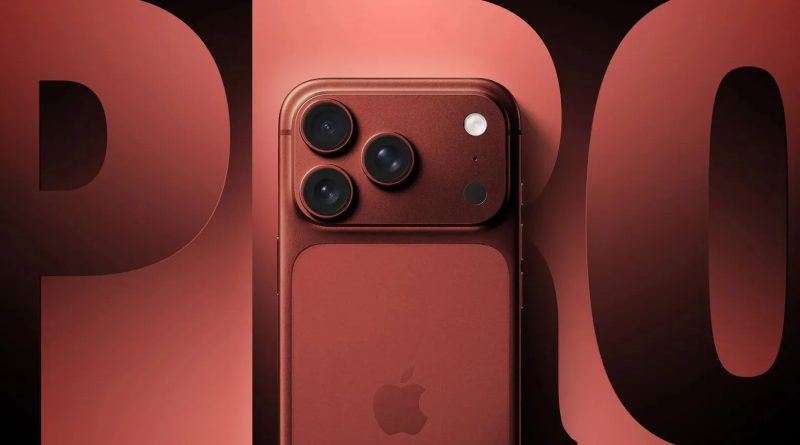
Cyberattack on Apple Partner Reveals New Details About iPhone 18 Pro Camera System
A significant cybersecurity breach targeting one of Apple’s key manufacturing partners has inadvertently exposed confidential details about the upcoming iPhone 18 Pro’s camera system, along with hints about the long-rumored iPhone Ultra model expected to debut in September. The leak, which emerged from a ransomware attack on a component supplier, has sent ripples through the technology industry and raised fresh concerns about supply chain security in the smartphone manufacturing ecosystem.
According to documents reportedly extracted during the cyberattack, the iPhone 18 Pro will feature substantial upgrades to its camera hardware, continuing Apple’s aggressive push to dominate mobile photography. The leaked specifications suggest improvements to sensor size, optical zoom capabilities, and computational photography features that would represent a meaningful leap forward from the current iPhone 17 Pro lineup. Industry analysts who have examined the purported documents indicate that Apple may be implementing a revolutionary new sensor technology developed in partnership with Sony, potentially offering enhanced low-light performance and faster autofocus speeds.
The timing of this breach is particularly noteworthy given Apple’s historically secretive product development process. The Cupertino-based tech giant has long maintained one of the most rigorous confidentiality protocols in the consumer electronics industry, requiring suppliers to sign extensive non-disclosure agreements and often compartmentalizing information so that no single partner has a complete picture of upcoming products. This latest incident underscores the inherent vulnerabilities in modern supply chains, where dozens of specialized manufacturers across multiple continents must collaborate to produce a single device.
Perhaps more intriguing than the camera specifications is the apparent confirmation of the iPhone Ultra, a premium tier device that Apple observers have speculated about for several years. The leaked documents reportedly reference a device positioned above the Pro Max in Apple’s lineup, featuring exclusive materials, enhanced durability, and professional-grade features aimed at content creators and enterprise users. This would represent Apple’s most significant iPhone lineup expansion since the introduction of the Pro models in 2019, potentially pushing the company’s flagship pricing into unprecedented territory above $1,500.
Cybersecurity experts have noted that attacks on technology supply chains have increased dramatically in recent years, with threat actors recognizing that smaller suppliers often lack the robust security infrastructure of major corporations like Apple. The ransomware attack that led to this particular leak follows a pattern seen in previous incidents affecting companies like Quanta Computer and TSMC, both of which have faced similar breaches that exposed sensitive client information. Apple has not officially commented on the authenticity of the leaked documents, maintaining its standard policy of not discussing unreleased products.
The camera system has become the primary battleground for smartphone manufacturers competing for consumer attention and loyalty. Apple’s main rivals, including Samsung and Google, have invested heavily in computational photography and sensor technology, with Google’s Pixel lineup earning particular praise for its software-driven image processing capabilities. The leaked specifications suggest Apple is responding to competitive pressure with hardware innovations that would complement its already sophisticated image signal processor and the neural engine capabilities of its A-series chips. Industry sources indicate that the new camera system may include improved video recording features, potentially supporting 8K capture and enhanced ProRes workflow integration for professional filmmakers.
Historical context reveals that Apple’s camera development strategy has followed a consistent pattern of incremental improvements punctuated by occasional revolutionary changes. The introduction of Night Mode in the iPhone 11, the ProRAW format in the iPhone 12 Pro, and the 48-megapixel sensor in the iPhone 14 Pro each represented significant advances that competitors scrambled to match. If the leaked information proves accurate, the iPhone 18 Pro could represent another such inflection point, potentially incorporating variable aperture technology or advanced periscope zoom systems that have previously been exclusive to competing Android flagships.
As Apple prepares for its traditional September keynote event, the company faces the unusual challenge of managing expectations set by unauthorized disclosures rather than its carefully choreographed marketing campaigns. The leaked information has already sparked intense speculation among Apple enthusiasts and investors, with some analysts suggesting the company may accelerate certain announcements to regain control of the narrative. Regardless of how Apple responds, this incident serves as a stark reminder that even the world’s most valuable company remains vulnerable to the cascading security risks inherent in globalized manufacturing networks.