
iOS 27 May Drop Support for Four Popular iPhone Models as Apple Advances AI Integration
Apple’s annual software update cycle continues to generate significant interest among iPhone users worldwide, and the upcoming iOS 27 release is already sparking discussions about device compatibility. According to emerging reports from technology analysts and industry insiders, the next major iOS iteration expected in 2025 may discontinue support for several popular iPhone models, leaving millions of users facing difficult upgrade decisions. This potential shift reflects Apple’s ongoing strategy of pushing hardware boundaries while advancing its artificial intelligence capabilities across the ecosystem.
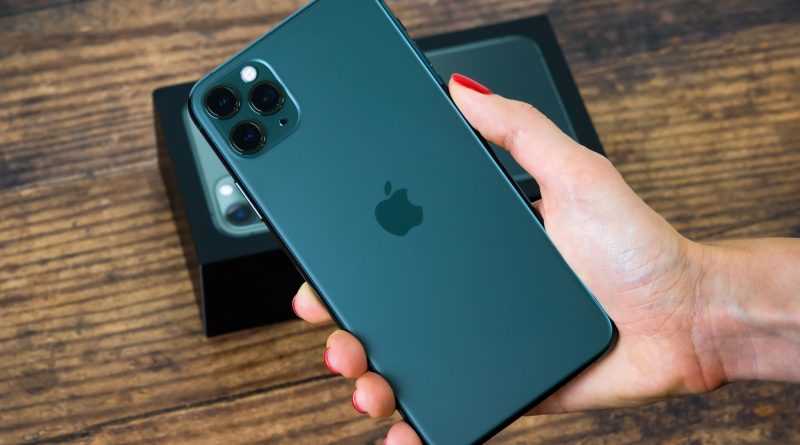
The models reportedly at risk of losing iOS 27 support include the iPhone 11, iPhone 11 Pro, iPhone 11 Pro Max, and the iPhone SE (2nd generation). These devices, while still functioning reliably for many users, are powered by the A13 Bionic chip, which may no longer meet the minimum hardware requirements for Apple’s evolving software features. The iPhone 11 series was launched in September 2019, meaning these devices would be approximately six years old by the time iOS 27 rolls out — a respectable lifespan by smartphone industry standards, though one that many loyal Apple customers may find disappointing.
Perhaps more significant than the general software cutoff is the limitation surrounding Apple’s enhanced Siri capabilities. Reports indicate that the upgraded, AI-powered version of Siri will function exclusively on iPhone 15 Pro models and newer devices. This restriction is tied to the computational demands of Apple Intelligence, the company’s suite of artificial intelligence features that requires the neural engine capabilities found only in the A17 Pro chip and beyond. Apple Intelligence encompasses advanced natural language processing, on-device machine learning, and sophisticated personal assistant functions that simply cannot run efficiently on older hardware architectures.
This development follows a well-established pattern in Apple’s approach to software support. Historically, the company has maintained iOS compatibility for devices spanning five to six years from their original release date, which compares favorably to many Android manufacturers who typically provide only three to four years of major updates. However, the increasing complexity of AI-driven features is accelerating the pace at which older devices become obsolete. The neural processing units embedded in newer Apple silicon are specifically designed to handle tasks like real-time language translation, advanced photo processing, and contextual understanding that define modern smartphone experiences.
Industry analysts suggest that Apple faces a delicate balancing act between innovation and customer satisfaction. On one hand, restricting advanced features to newer devices drives upgrade cycles and ensures optimal performance for cutting-edge capabilities. On the other hand, users who invested hundreds of dollars in devices just a few years ago may feel abandoned when their phones no longer receive the latest software. The environmental implications are also noteworthy, as shortened device lifecycles contribute to electronic waste — a concern that Apple has publicly committed to addressing through its recycling programs and carbon neutrality goals.
The smartphone market has evolved dramatically since the iPhone 11’s release, with artificial intelligence emerging as the primary battleground for differentiation among manufacturers. Google, Samsung, and other competitors have similarly begun limiting their most advanced AI features to flagship devices with sufficient processing power. Apple’s decision to gate the enhanced Siri behind the iPhone 15 Pro threshold aligns with this industry-wide trend, though it may prove controversial among users who expected longer software support windows. The company has not officially confirmed these compatibility limitations, and final decisions typically aren’t announced until Apple’s Worldwide Developers Conference in June.
For users currently operating iPhone 11 series devices or the second-generation iPhone SE, the coming months present an important decision point. Those who wish to experience iOS 27 and its associated features will likely need to consider upgrading to newer hardware, with options ranging from the more affordable iPhone SE (3rd generation) for basic iOS support to the iPhone 15 Pro or later models for full Apple Intelligence functionality. As Apple continues pushing the boundaries of what smartphones can accomplish, the gap between supported and unsupported devices grows ever wider, reflecting the rapid pace of technological advancement in the mobile computing space.