
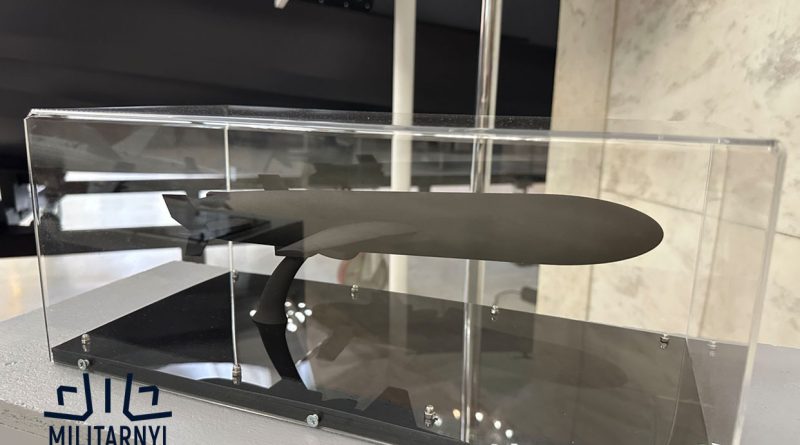
Areion Cruise Missiles with 600km Range to Launch from Neptune Systems: Ukraine’s Strategic Defense Evolution
Ukraine’s state-owned design bureau “Luch” is developing a new generation of cruise missiles designated Areion, capable of striking targets at distances up to 600 kilometers. According to recent reports, these advanced weapons will be integrated with the existing Neptune coastal defense missile systems, representing a significant upgrade to Ukraine’s indigenous strike capabilities. The development marks a crucial step in Ukraine’s efforts to establish strategic deterrence capabilities through domestically produced long-range precision weapons.
The Neptune missile system, which gained international recognition after reportedly sinking the Russian Black Sea Fleet flagship Moskva in April 2022, serves as the foundation for this new weapons platform. Originally designed as an anti-ship cruise missile with a range of approximately 280-300 kilometers, the Neptune system has proven its effectiveness in combat conditions. By adapting these launch platforms to accommodate the longer-range Areion missiles, Ukrainian engineers are maximizing existing infrastructure while dramatically extending operational reach.
The Luch Design Bureau, headquartered in Kyiv, has been Ukraine’s premier developer of precision-guided munitions and missile systems since its establishment during the Soviet era. The organization has accumulated decades of expertise in aerospace engineering and weapons development, making it uniquely positioned to lead such ambitious projects. Throughout the ongoing conflict, Luch has accelerated development timelines and expanded production capacity to meet urgent battlefield requirements, demonstrating remarkable adaptability under wartime conditions.
The 600-kilometer range of the Areion system represents a significant strategic capability, potentially allowing Ukraine to strike military targets deep within Russian-controlled territory or across the Black Sea region. This extended reach could threaten logistics hubs, command centers, ammunition depots, and other high-value military infrastructure that previously remained beyond the reach of Ukrainian indigenous weapons. Military analysts note that such capabilities reduce Ukraine’s dependence on Western-supplied long-range systems like Storm Shadow or ATACMS, whose use often comes with political restrictions.
The integration of new missiles with existing Neptune launchers demonstrates sound military-industrial planning. Rather than developing entirely new launch platforms from scratch, Ukrainian engineers are leveraging proven mobile launcher technology that has already been manufactured and deployed. This approach significantly reduces development time and costs while ensuring crews already trained on Neptune systems can quickly adapt to operating the new Areion missiles with minimal additional instruction.
Ukraine’s push toward missile independence reflects lessons learned throughout the conflict regarding supply chain vulnerabilities and the strategic importance of domestic production capabilities. While Western allies have provided substantial military assistance, the ability to produce sophisticated weapons domestically ensures continuous supply regardless of international political dynamics. Additionally, domestically produced systems can be manufactured in quantities limited only by industrial capacity and raw materials, rather than by allied nations’ stockpiles and production schedules.
The Areion development program also highlights Ukraine’s broader defense industrial transformation during wartime. What was once a relatively modest sector focused primarily on maintaining Soviet-era equipment and limited new development has evolved into a dynamic industry producing drones, missiles, electronic warfare systems, and other advanced military technology. International partnerships have accelerated this transformation, with Western nations providing technical assistance, components, and manufacturing expertise to boost Ukrainian production capabilities. As the conflict continues, these domestically developed systems like the Areion will likely play an increasingly important role in Ukraine’s military strategy.