
Convenient for Humans, Uncomfortable for Pets: The Hidden Risks of Popular Gadgets for Cats and Dogs
The pet technology industry has experienced explosive growth over the past decade, with smart feeders, GPS collars, automated toys, and monitoring devices becoming increasingly common in households worldwide. While these innovations promise to make pet ownership easier and more connected, animal behavior specialists are raising important concerns about whether human convenience may come at the cost of animal welfare. As pet owners rush to embrace the latest technological solutions, zoopsychologists warn that many popular gadgets designed for cats and dogs may actually cause stress, behavioral problems, and even physical harm to our beloved companions.
The global pet tech market, valued at over $5 billion in 2023, continues to expand as manufacturers introduce ever more sophisticated devices. From automatic feeding systems controlled by smartphone apps to interactive cameras that allow owners to dispense treats remotely, the appeal of these products is undeniable for busy modern pet owners. However, experts in animal behavior emphasize that what appears convenient from a human perspective may create significant discomfort for animals whose psychological needs differ fundamentally from our own. The disconnect between marketing claims and scientific understanding of animal welfare represents a growing concern among veterinary professionals.
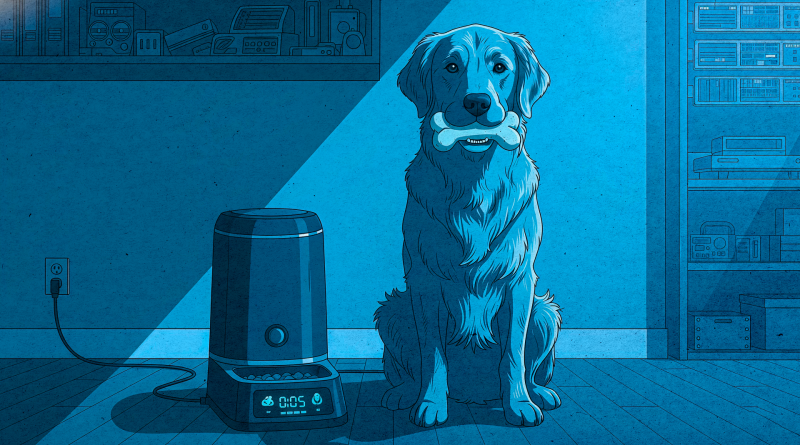
Automatic feeders, one of the most popular pet gadgets on the market, exemplify this problematic trend. While these devices offer the convenience of scheduled feeding times and portion control, zoopsychologists point out that they eliminate one of the most important bonding rituals between pets and their owners. For dogs especially, feeding time represents a crucial moment of social interaction and trust-building with their human family members. When this ritual is replaced by an impersonal machine, animals may experience confusion and anxiety. Additionally, some automatic feeders produce mechanical sounds that can startle sensitive pets, creating negative associations with mealtime that may lead to eating disorders or food-related stress behaviors.
The noise factor extends beyond feeders to many other electronic pet devices. Cats, whose hearing is far more acute than that of humans, can detect frequencies up to 64,000 Hz compared to the human limit of approximately 20,000 Hz. Many electronic gadgets emit high-frequency sounds imperceptible to human ears but potentially distressing for feline companions. Ultrasonic components in smart collars, electronic toys, and monitoring devices may create a constant source of irritation that owners never realize exists. Dogs similarly possess hearing capabilities far exceeding human norms, making them vulnerable to noise pollution from devices their owners consider perfectly silent.
Interactive toys controlled remotely through smartphone applications have gained particular popularity among pet owners who spend long hours away from home. While the concept of playing with your pet from the office sounds appealing, animal behaviorists caution that such interactions lack the essential elements that make play beneficial for animals. True play involves physical presence, natural scent cues, and responsive interaction that technology cannot replicate. Remote-controlled laser pointers, for instance, can trigger intense frustration in cats who never experience the satisfaction of catching their prey. This unfulfilling chase may lead to obsessive behaviors, anxiety, and redirected aggression when the hunt invariably ends without success.
GPS tracking collars and smart monitoring devices raise additional concerns beyond simple discomfort. Many of these products add significant weight to pet collars, potentially causing neck strain and discomfort, particularly for smaller animals. The constant emission of electromagnetic signals, while generally considered safe for humans, affects animals who spend their entire lives wearing these devices. Some veterinary researchers have begun investigating potential long-term effects of chronic low-level electromagnetic exposure on animal health, though conclusive evidence remains elusive. Meanwhile, the psychological impact of uncomfortable or restrictive devices may manifest in behavioral changes that owners attribute to other causes.
Zoopsychologists recommend that pet owners carefully evaluate any gadget before introducing it to their animals’ lives. Key considerations should include the device’s impact on natural behaviors, potential stress indicators, and whether the convenience it provides truly benefits the animal or merely the owner. Experts suggest observing pets closely after introducing new technology, watching for signs of discomfort such as excessive grooming, avoidance behaviors, changes in eating habits, or increased vocalization. Traditional approaches to pet care, while less technologically impressive, often prove more aligned with animals’ actual psychological and physical needs.
The broader lesson emerging from this discussion concerns the fundamental difference between human and animal perspectives on comfort and convenience. While technology continues advancing at remarkable speed, our understanding of how these innovations affect animal welfare often lags behind. Responsible pet ownership in the modern era requires balancing technological convenience with genuine attention to what makes our animal companions happy and healthy. Sometimes, experts conclude, the simplest solution remains the best: a regular feeding schedule maintained by a present human, natural toys that satisfy hunting instincts, and the irreplaceable comfort of physical presence and attention that no gadget can truly replace.