
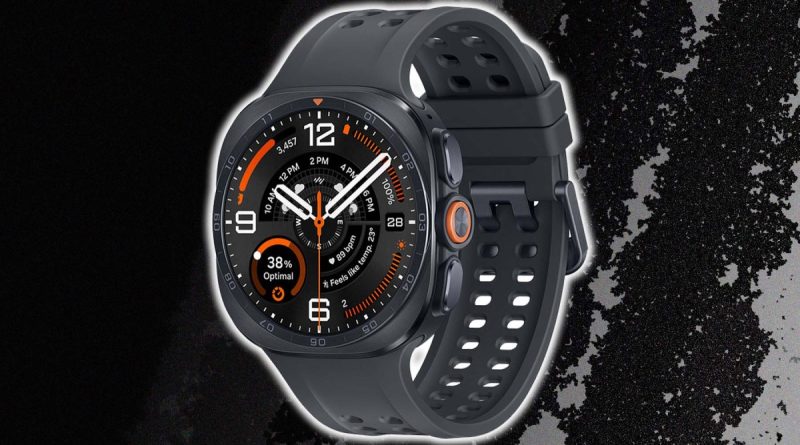
Samsung Galaxy Watch 9 and Watch Ultra 2 Set to Feature New Processors and Larger Batteries
Samsung is preparing to unveil its next generation of smartwatches at the highly anticipated Galaxy Unpacked event scheduled for July 22nd. According to recent leaks and industry insiders, the upcoming Galaxy Watch 9 and Galaxy Watch Ultra 2 will feature significant hardware upgrades, including new processors and substantially larger battery capacities. These improvements signal Samsung’s commitment to maintaining its competitive edge in the increasingly crowded wearable technology market, where battery life and performance have become critical differentiating factors for consumers.
The Galaxy Watch 9 is expected to receive a notable battery upgrade, with rumors suggesting a capacity increase of approximately 10-15% compared to its predecessor. This enhancement addresses one of the most common complaints among smartwatch users—the need for frequent charging. For the premium Galaxy Watch Ultra 2, Samsung is reportedly implementing an even more substantial battery improvement, potentially pushing the device toward multi-day usage on a single charge. This would bring Samsung’s offering closer to competing with Garmin’s endurance-focused devices while maintaining the smart features that Android users have come to expect.
At the heart of these new wearables will be Samsung’s latest Exynos W series processor, designed specifically for wearable applications. The new chip is expected to deliver improved performance while simultaneously reducing power consumption—a crucial balance in devices where physical size constraints limit battery capacity. Industry analysts suggest the new processor could offer up to 20% better energy efficiency compared to the current generation, enabling more complex health monitoring features without sacrificing battery life. This advancement reflects broader trends in mobile chip design, where efficiency gains have become as important as raw performance improvements.
The smartwatch market has experienced remarkable growth over the past decade, evolving from simple notification displays to sophisticated health monitoring devices. Samsung entered this space early with its Galaxy Gear line in 2013 and has since refined its approach with the Galaxy Watch series running on Wear OS, Google’s smartwatch operating system. The collaboration between Samsung and Google, which began in 2021, has produced increasingly capable devices that benefit from both companies’ expertise in hardware and software development. This partnership has helped both companies compete more effectively against Apple’s dominant Watch series.
Health and fitness capabilities are expected to see meaningful improvements in the new watches. Building on existing features like heart rate monitoring, blood oxygen measurement, and sleep tracking, the Galaxy Watch 9 and Watch Ultra 2 may introduce enhanced sensors capable of more accurate readings during intense physical activity. The Galaxy Watch Ultra 2, positioned as Samsung’s adventure-focused timepiece, is likely to include specialized features for outdoor enthusiasts, including improved GPS accuracy, altitude measurement, and possibly enhanced durability certifications for water and dust resistance.
The timing of Samsung’s announcement comes as the wearable market continues to expand globally. Research firm IDC reports that worldwide shipments of wearable devices exceeded 500 million units in 2024, with smartwatches representing a significant and growing segment. Samsung currently holds the second-largest market share in smartwatches behind Apple, and these new releases represent a strategic opportunity to capture additional market share, particularly among Android smartphone users who cannot access the Apple Watch ecosystem. The premium Galaxy Watch Ultra 2 specifically targets users willing to pay more for enhanced features and durability.
Beyond hardware specifications, software enhancements are also anticipated. Samsung has been investing heavily in artificial intelligence integration across its product lineup, and the new watches are expected to benefit from improved AI-powered health insights and more natural voice interaction capabilities. The devices will likely launch with the latest version of Wear OS, featuring a refined user interface and improved app compatibility. As the July 22nd event approaches, industry observers expect Samsung to reveal additional details about pricing, availability, and potential new color options for both models.