Samsung Galaxy Watch Begins Warning Workers About Heat Stroke Risk in Groundbreaking Workplace Safety Trial
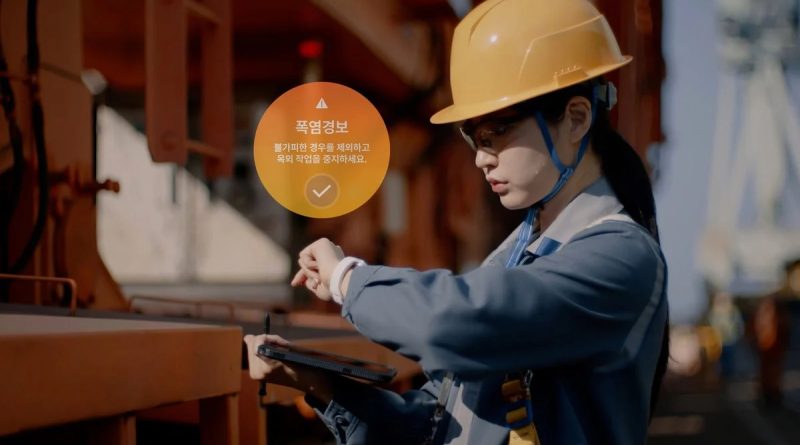
In a pioneering move that could revolutionize occupational health and safety practices worldwide, Samsung’s Galaxy Watch has been deployed to monitor workers for signs of heat stroke risk during their shifts. The innovative program, currently in its testing phase exclusively in South Korea, represents a significant step forward in using wearable technology to protect employees working in potentially dangerous thermal conditions.
The initiative comes as workplace heat-related illnesses continue to pose serious threats to workers globally, particularly those in construction, manufacturing, agriculture, and outdoor industries. Heat stroke, the most severe form of heat-related illness, can cause organ damage, brain injury, and even death if not treated promptly. By leveraging the advanced biometric sensors built into modern smartwatches, Samsung aims to provide early warning systems that could prevent these potentially fatal incidents before they occur.

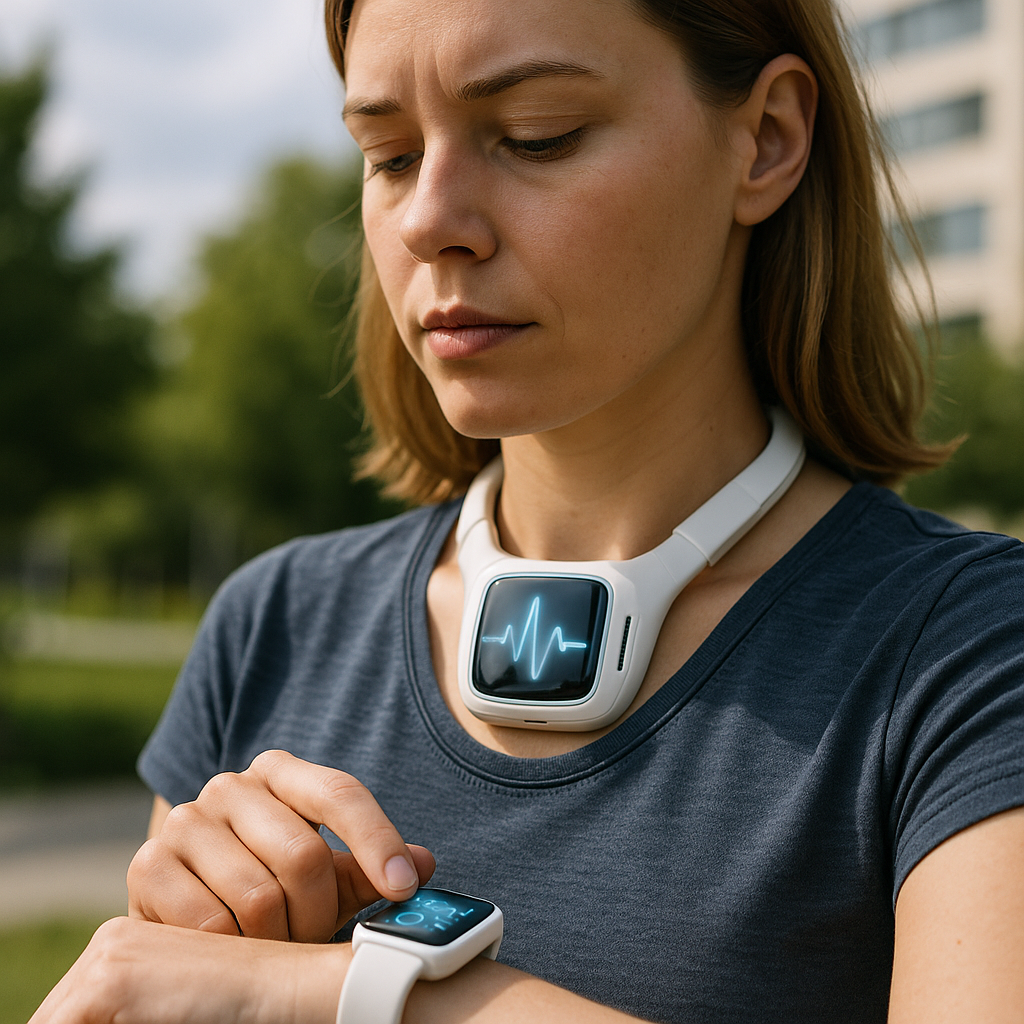
The Galaxy Watch technology utilizes a combination of sensors to monitor several key physiological indicators associated with heat stress. These include continuous heart rate monitoring, skin temperature measurements, and activity level tracking. When the device’s algorithms detect patterns suggesting a worker may be approaching dangerous heat stress levels, it issues an alert both to the worker wearing the device and potentially to supervisory personnel. This dual-notification system ensures that even if a worker is too disoriented to respond to warnings—a common symptom of advancing heat stroke—someone else can intervene.
South Korea serves as an ideal testing ground for this technology due to the country’s increasingly severe summer heat waves and its robust technology infrastructure. The nation has experienced record-breaking temperatures in recent years, with summer temperatures regularly exceeding 35 degrees Celsius (95 degrees Fahrenheit) in urban areas. Korean labor statistics indicate a concerning rise in heat-related workplace incidents, prompting both government agencies and private companies to seek innovative solutions. Samsung, headquartered in South Korea, has partnered with local businesses and occupational health authorities to conduct rigorous real-world testing of the system.
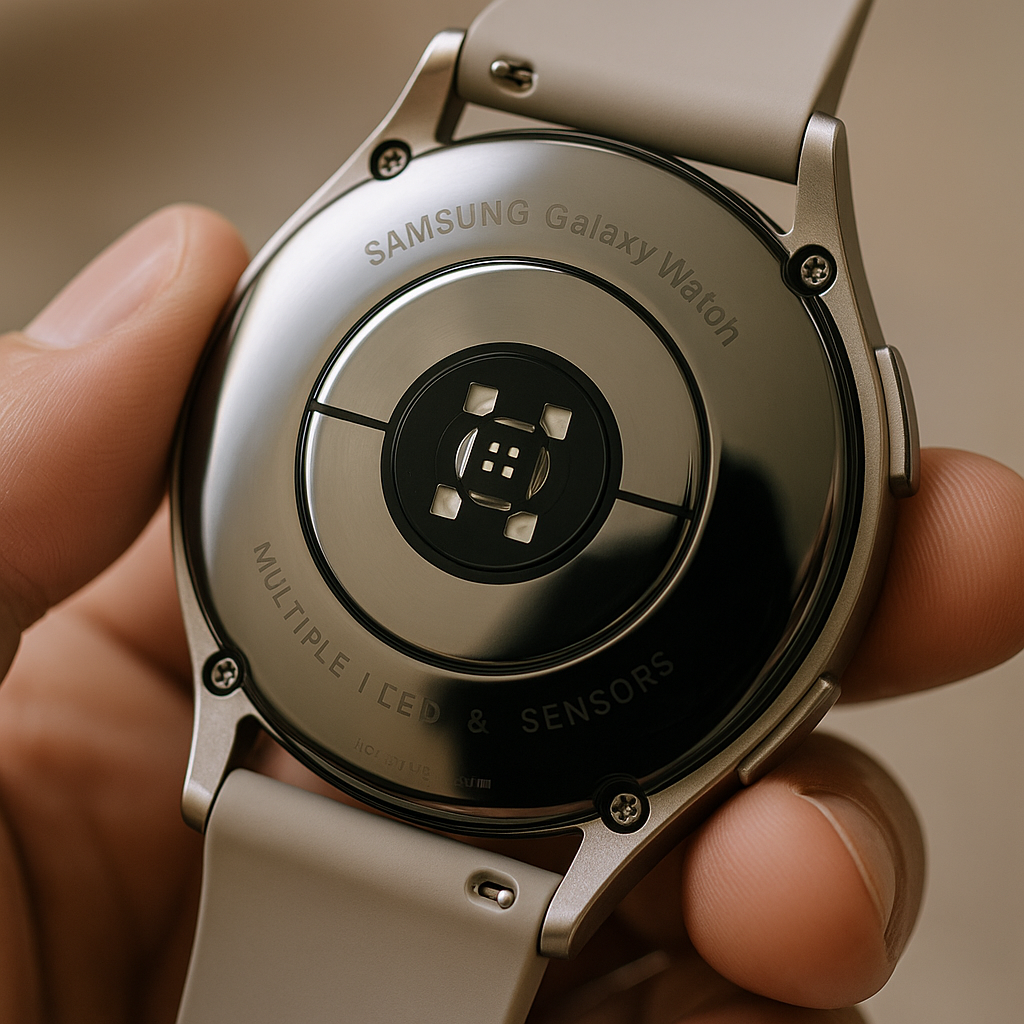
The science behind heat stroke detection involves monitoring the body’s thermoregulatory response to environmental stress. As the body struggles to cool itself through sweating and increased blood flow to the skin, heart rate elevates and core temperature rises. The Galaxy Watch’s sophisticated sensors can detect these subtle changes often before a worker consciously recognizes they are in danger. Research has shown that early intervention during the initial stages of heat exhaustion can prevent progression to life-threatening heat stroke, making rapid detection technology potentially life-saving.
This workplace safety application builds upon Samsung’s existing health monitoring ecosystem, which already includes features for detecting irregular heart rhythms, tracking sleep patterns, and monitoring blood oxygen levels. The company has been steadily expanding the medical capabilities of its wearable devices, receiving regulatory approvals in multiple countries for various health monitoring functions. Industry analysts suggest that workplace safety applications represent a natural evolution of this technology, potentially opening new enterprise markets for consumer wearable manufacturers.
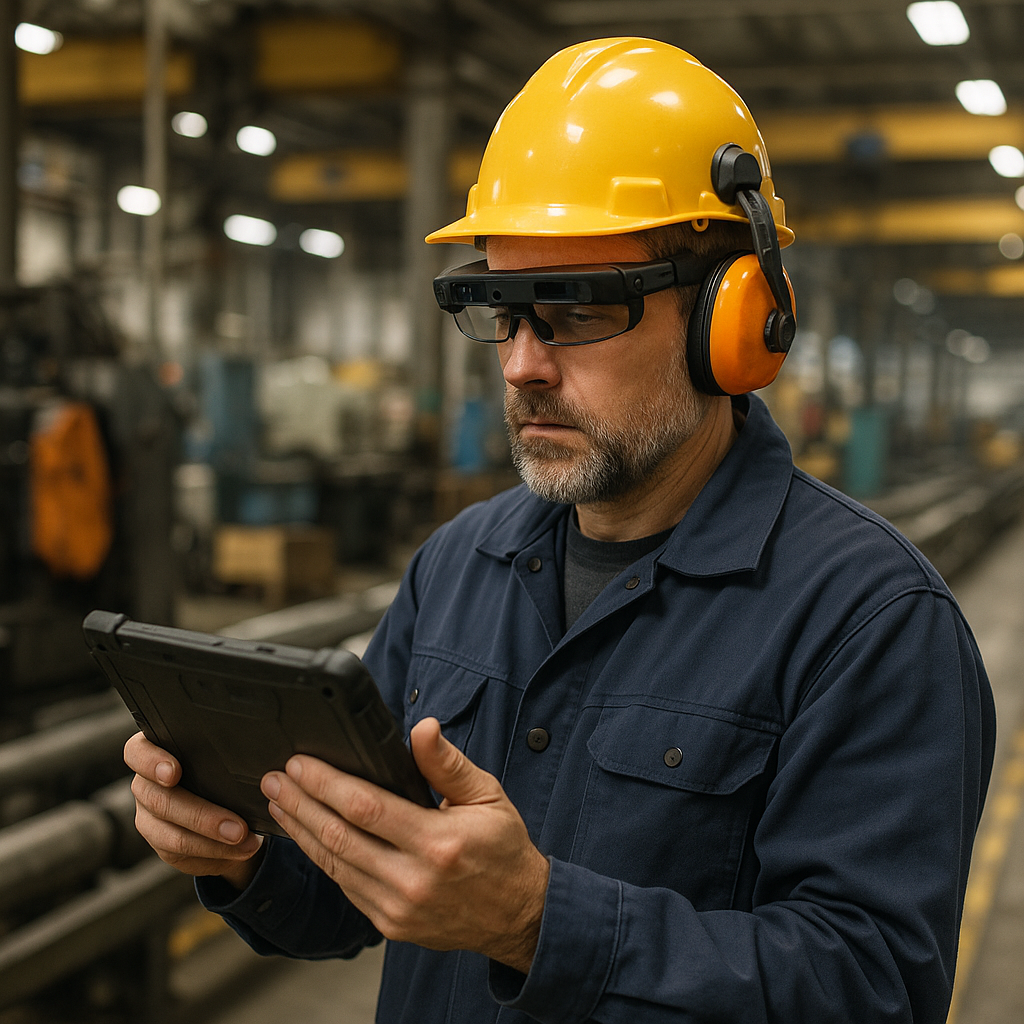
The implications of successful trials could be far-reaching. Occupational health experts have long called for better monitoring systems in high-risk work environments, but traditional solutions have often been cumbersome or impractical. Wearable devices that workers already find comfortable and familiar offer a promising alternative. If the South Korean pilot program demonstrates effectiveness, similar systems could be deployed in countries across the globe, particularly in regions experiencing intensifying heat waves due to climate change. Industries from logistics and delivery services to military operations have expressed interest in heat monitoring solutions for their personnel.
Looking ahead, Samsung has indicated that the data collected during this testing phase will be used to refine the algorithms and potentially develop industry-specific versions of the technology. The company has not yet announced a timeline for broader commercial deployment or whether the feature will eventually be available to individual consumers concerned about personal heat safety during exercise or outdoor activities. However, the successful integration of workplace safety features into consumer wearables could mark a significant milestone in the convergence of personal technology and occupational health—a trend that may define the next generation of smart devices.