
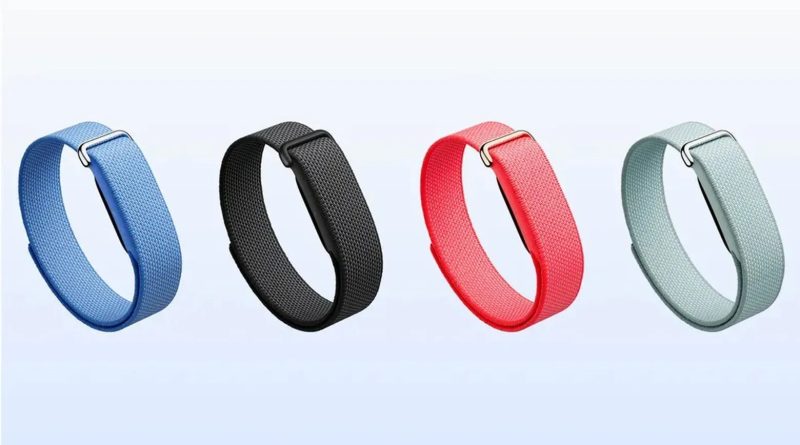
Google Releases Official Technical Specifications for Fitbit Air to Enable Custom Accessory Development
Google has taken a significant step toward expanding the ecosystem around its newest wearable device by releasing official technical schematics for the Fitbit Air to accessory manufacturers. This move is designed to encourage the development of custom watch bands and other compatible accessories, giving users more personalization options for their fitness trackers. The release of these detailed specifications marks a departure from the more closed approach that some tech companies take with their wearable devices, signaling Google’s commitment to building a vibrant third-party accessory market around the Fitbit brand.
The technical documentation provided by Google includes precise measurements, connection point specifications, and material guidelines that manufacturers will need to create bands and accessories that fit seamlessly with the Fitbit Air. This information is crucial for ensuring that third-party products meet the same quality and compatibility standards as official Fitbit accessories. By making these specifications publicly available to verified manufacturers, Google is essentially inviting the broader accessories industry to participate in the Fitbit ecosystem, which could lead to an explosion of creative and diverse band options for consumers.
The decision to share technical data with accessory makers reflects a broader strategy that Google has been pursuing since acquiring Fitbit in January 2021 for approximately $2.1 billion. That acquisition brought one of the most recognizable names in fitness tracking under the Google umbrella, and the company has been working to integrate Fitbit’s hardware expertise with its own software and services capabilities. The Fitbit brand has maintained a loyal following since the company was founded in 2007, largely due to its focus on health and fitness tracking rather than trying to compete directly with full-featured smartwatches. This heritage of accessibility and user-friendliness appears to be guiding Google’s approach to the accessory ecosystem as well.
Industry analysts have noted that the wearable accessories market represents a substantial revenue opportunity that extends well beyond the initial device purchase. Research firms estimate that the global smartwatch and fitness tracker accessories market is worth several billion dollars annually, with watch bands representing the largest segment. Companies like Apple have demonstrated the potential of this market with their Apple Watch, which supports a vast array of both official and third-party bands in various materials, styles, and price points. By enabling similar diversity for the Fitbit Air, Google positions itself to capture a share of this lucrative aftermarket while also increasing the appeal of the device itself to fashion-conscious consumers who want customization options.
The technical specifications shared with manufacturers reportedly include not only physical dimensions but also guidelines for materials that will maintain the device’s water resistance and durability ratings. This attention to detail is important because poorly designed third-party accessories can sometimes compromise the functionality of wearable devices, leading to customer dissatisfaction that reflects poorly on the main product. Google appears to be taking a proactive approach to quality control by providing clear standards upfront rather than simply allowing any manufacturer to create potentially substandard products. Some industry observers suggest this could lead to a certification program similar to those used for other consumer electronics accessories.
The Fitbit Air itself represents Google’s continued investment in the health and fitness wearable space, a market that has seen tremendous growth in recent years as consumers become increasingly focused on monitoring their physical activity, sleep patterns, and overall wellness metrics. The global wearables market shipped over 500 million units in recent years, with fitness-focused devices maintaining a strong position alongside more feature-rich smartwatches. Fitbit has historically appealed to users who prioritize health tracking features and battery life over the broader app ecosystems offered by devices like the Apple Watch or Samsung Galaxy Watch series.
Looking ahead, the release of these technical specifications could pave the way for innovative accessory designs that go beyond traditional watch bands. Some manufacturers may explore accessories that add functionality to the Fitbit Air, such as protective cases for extreme sports, elegant bands for formal occasions, or specialized attachments for specific activities like swimming or cycling. The open approach to technical data sharing suggests Google is interested in seeing what creative solutions the broader market can develop, potentially leading to accessories that the company itself might not have conceived. This strategy has proven successful for other technology platforms and could help establish the Fitbit Air as a versatile device that adapts to various lifestyles and use cases.
For consumers, the practical impact of this announcement should become visible in the coming months as manufacturers begin producing compatible accessories. Early adopters of the Fitbit Air can look forward to an expanding selection of customization options that will allow them to match their device to their personal style, wardrobe, or specific activities. The move also reinforces Google’s position that Fitbit will continue to operate as a distinct brand with its own identity within the broader Google hardware portfolio, rather than being fully absorbed into the Pixel product line.