
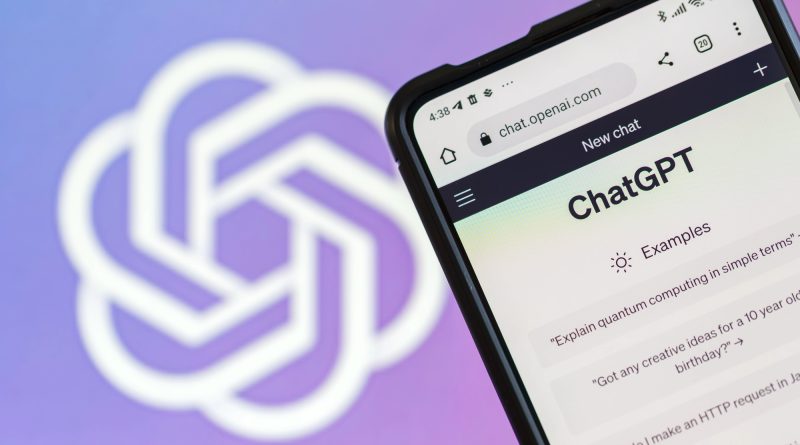
ChatGPT to Become the Heart of OpenAI’s Ecosystem: Major Platform Overhaul Underway
OpenAI is preparing a significant transformation of its product lineup, with plans to consolidate all of its services around ChatGPT as the central hub of its ecosystem. According to sources familiar with the company’s strategy, this ambitious overhaul represents one of the most substantial shifts in OpenAI’s approach to delivering artificial intelligence to consumers and businesses alike. The move signals a clear intention to create a unified, seamless experience for users who currently navigate between multiple separate tools and platforms offered by the AI pioneer.
The consolidation effort comes at a pivotal moment for OpenAI, which has seen explosive growth since launching ChatGPT in November 2022. The chatbot reached 100 million users within just two months of its release, making it the fastest-growing consumer application in history at that time. By integrating various services—potentially including image generation through DALL-E, voice capabilities, and enterprise tools—into a single ChatGPT interface, OpenAI aims to simplify the user experience while strengthening its competitive position against rivals like Google, Anthropic, and Microsoft’s own AI offerings.
Industry analysts suggest this strategic pivot reflects broader trends in the artificial intelligence sector, where companies are increasingly recognizing the value of ecosystem lock-in. Similar to how Apple built its empire around the iPhone as a central device connecting various services, OpenAI appears to be positioning ChatGPT as the primary gateway to all its AI capabilities. This approach could significantly increase user engagement and retention, as customers would no longer need to switch between different applications or manage multiple subscriptions to access OpenAI’s full suite of tools.
The technical challenges of such an integration should not be underestimated. OpenAI currently operates several distinct products, each with its own architecture, user base, and pricing model. DALL-E 3, the company’s image generation system, was only recently integrated into ChatGPT for Plus subscribers, providing a glimpse of what a unified platform might look like. The company has also been developing advanced voice and video capabilities, demonstrated in their GPT-4o announcement, which showcased real-time conversational AI that could see, hear, and respond with remarkable naturalness.
From a business perspective, centralizing around ChatGPT makes considerable sense. The chatbot has become synonymous with generative AI in popular culture, achieving a level of brand recognition that few technology products ever attain. OpenAI’s partnership with Microsoft, which has invested approximately $13 billion in the company, adds another layer of complexity and opportunity to this transition. Microsoft has been integrating OpenAI’s technology into its own products under the Copilot brand, creating an interesting dynamic where both companies benefit from the underlying AI models while competing for user attention in different market segments.
The implications for OpenAI’s enterprise customers could be particularly significant. Businesses currently using various OpenAI APIs and tools might find their workflows streamlined through a unified ChatGPT interface, potentially with enhanced collaboration features and improved security controls. The company has been aggressively pursuing enterprise adoption, launching ChatGPT Enterprise in 2023 and subsequently introducing team-based plans. A consolidated ecosystem would likely accelerate this push, offering organizations a more compelling value proposition compared to piecing together solutions from multiple AI providers.
Competition in the AI space has intensified dramatically over the past year, with Google launching Gemini, Anthropic advancing its Claude models, and numerous startups entering the market with specialized offerings. OpenAI’s decision to consolidate around ChatGPT can be seen as a defensive move to maintain its market leadership while simultaneously going on offense by creating a more comprehensive platform. The company reportedly achieved approximately $2 billion in annualized revenue in late 2023, a figure that a unified ecosystem approach could substantially increase by reducing friction in the user journey from free trials to paid subscriptions.
Looking ahead, the success of this consolidation strategy will depend heavily on execution. Users have come to expect high performance and reliability from ChatGPT, and any integration that compromises these qualities could backfire. OpenAI must also navigate privacy concerns, as a centralized platform handling text, images, voice, and potentially video raises the stakes for data protection. Nevertheless, if executed successfully, this transformation could cement ChatGPT’s position not just as a chatbot, but as the primary interface through which millions of people interact with artificial intelligence in their daily lives.