
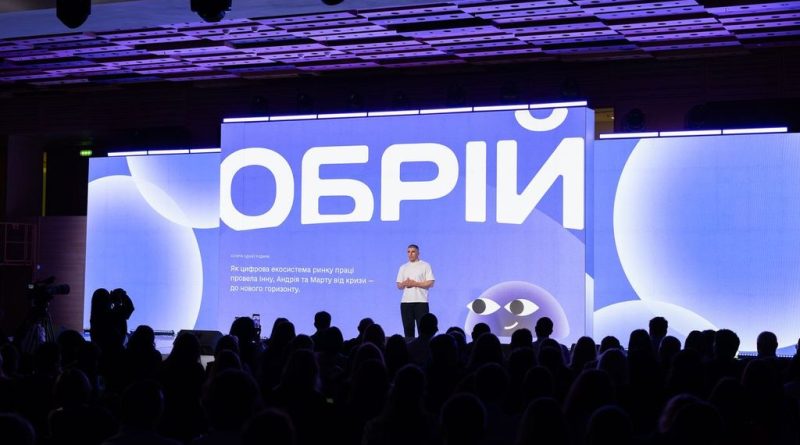
Ukraine Launches ‘Obrii’ Online Employment Platform: A New Era for the National Labor Market
Ukraine’s Ministry of Economy has unveiled an ambitious new digital initiative aimed at transforming the country’s employment landscape. The online job search service called ‘Obrii’ (meaning ‘Horizon’ in Ukrainian) represents a significant step forward in the government’s efforts to modernize labor market infrastructure and reduce unemployment rates across the nation. Officials are setting bold targets, expecting the platform to facilitate the official employment of an additional 100,000 people before the end of the current year.
The launch of Obrii comes at a critical juncture for Ukraine’s economy, which has been grappling with unprecedented challenges stemming from the ongoing conflict with Russia. The war has caused massive displacement of workers, disrupted traditional employment patterns, and created significant gaps in the labor market. Many businesses have been forced to relocate, while others have struggled to find qualified workers in regions that have become safe havens for internally displaced persons. Against this backdrop, the need for an efficient, centralized employment matching system has never been more acute.
The Obrii platform is designed to streamline the job search process by connecting employers directly with potential employees through a user-friendly digital interface. Unlike traditional employment centers, which often require in-person visits and lengthy bureaucratic procedures, the new service allows users to search for opportunities, submit applications, and communicate with potential employers entirely online. This digital-first approach is particularly valuable for displaced Ukrainians who may be seeking employment in unfamiliar regions or even while temporarily abroad.
The Ministry of Economy’s goal of adding 100,000 officially employed workers is significant not only for individual job seekers but also for the national economy as a whole. Official employment means workers gain access to social protections, healthcare benefits, and pension contributions, while the government benefits from increased tax revenue and reduced expenditure on unemployment support. Historically, Ukraine has struggled with a substantial shadow economy, with some estimates suggesting that informal employment could account for as much as 30-40% of the total labor force. By making formal employment more accessible and attractive, Obrii aims to bring more workers into the official economy.
The platform incorporates several innovative features designed to address specific challenges in the Ukrainian labor market. Advanced matching algorithms help connect job seekers with positions that align with their skills and experience, while integrated verification systems ensure that both employers and employees meet legal requirements for formal employment. The service also provides resources for professional development, including information about retraining programs and skill certification courses that have become increasingly important as the economy shifts toward wartime and post-war reconstruction needs.
International organizations and labor market experts have been watching Ukraine’s digital employment initiatives with considerable interest. The European Union, which has provided substantial support for Ukraine’s digital transformation efforts, views platforms like Obrii as important tools for eventual economic integration. Similar digital employment services have proven successful in other countries, with nations like Estonia leading the way in government digital services. The Ukrainian government has studied these models carefully, adapting best practices to local conditions while incorporating lessons learned from the country’s successful experience with other digital government services, such as the popular Diia application.
Looking ahead, the success of Obrii will depend on several factors, including widespread adoption by both employers and job seekers, continued investment in digital infrastructure, and effective integration with other government services and databases. The Ministry of Economy has indicated that the platform will undergo continuous development based on user feedback and evolving market conditions. If the ambitious target of 100,000 new formal employments is achieved, it would represent a meaningful contribution to Ukraine’s economic resilience and recovery. The initiative reflects a broader understanding that modern economies require sophisticated digital tools to function efficiently, and that investment in such infrastructure pays dividends in terms of both economic growth and social stability. As Ukraine continues to navigate extraordinary challenges, innovations like Obrii demonstrate the country’s commitment to building a more prosperous and connected future for its citizens.